


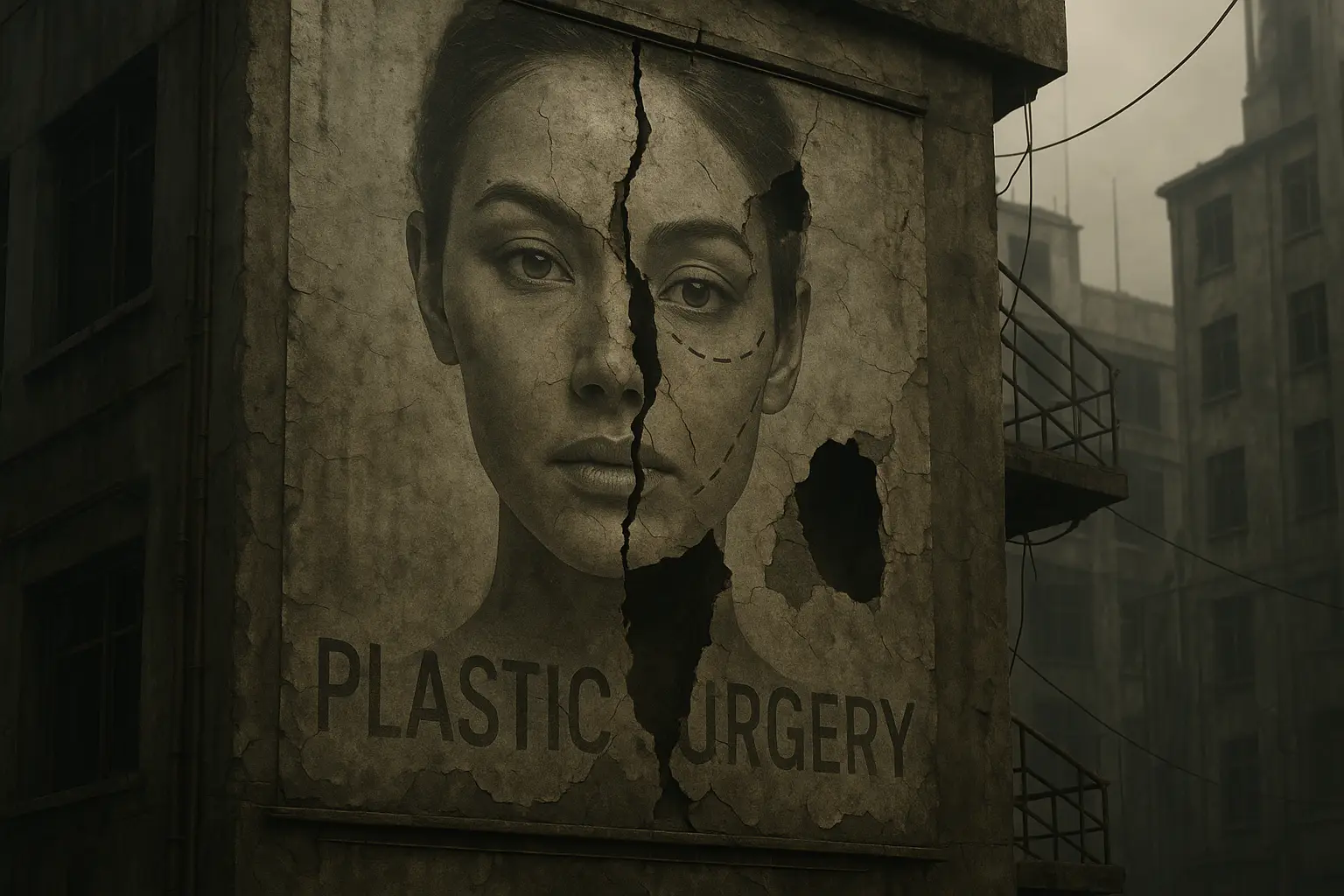
Plastic surgery is patriarchy in disguise
Plastic surgery is patriarchy in disguise
In a society obsessed with appearance, it’s no surprise that countless women are pushed toward plastic surgery. What is shocking, though, is how easily this pressure is disguised as empowerment. As a woman and a supporter of the 4B movement, I see plastic surgery not as a personal choice, but as a form of submission. Over 90% of all cosmetic procedures worldwide are performed on women, while 80% of plastic surgeons are men. The beauty standard women are expected to meet is not a neutral one, it was designed by a patriarchal society. Beauty industries, influencers, media, all of them benefit when women feel the need to cut and change themselves, but the real winners are men, who continue to enjoy a world where women are conditioned to serve men and please men.
Plastic surgery is not just a financial burden. It comes with health risks, emotional trauma, long-term complications and psychological damage.
The risks are far from minor. Physically, women can experience infections, scarring, nerve damage, skin death and chronic pain. Some surgeries lead to permanent deformities, asymmetries or breathing problems especially in procedures like rhinoplasty or jaw reduction. Up to 10% of patients report long-term breathing issues after rhinoplasty. According to a study published in Aesthetic Surgery Journal, postoperative infection rates can range from 1% to 10% depending on the procedure, with higher risks in invasive surgeries like liposuction or breast augmentation. Approximately 5-15% of patients are dissatisfied with their surgical results and botched outcomes are not uncommon. One study estimates up to 20% of cosmetic surgeries require revision. Even surgeries marketed as “minor” like eyelid lifts or fillers can result in uneven results, chronic swelling or distorted facial expressions. Emotionally, the effects are just as damaging.
Many women develop or worsen body dysmorphic disorder, become addicted to modifying their appearance or suffer from depression and identity confusion when the results do not match expectations. A study from South Korea (where cosmetic surgery is very common among women) showed that almost 1 in 4 women (24%) who had cosmetic procedures experienced moderate to severe depressive symptoms afterward. These surgeries do not bring the peace or confidence women hope for because the problem was never their face or body, it was the system telling them they needed to change.
A single procedure can leave permanent physical and emotional scars. Women are not flawed or broken. The standard is. The more we resist the idea that we must change ourselves to be worthy, the more power we take back from the system that profits off our doubt. ♀






Written by Emily